Video Production Timeline: How Long Does It Really Take?
A video campaign rarely slips because someone took too long to press record. It slips because the decisions that make the footage effective - the audience, message, approvals, locations and final formats - were left until too late. So, for the timeline for video production: how long does it really take? For most professional branded videos, allow four to eight weeks from the first conversation to final delivery. Bigger campaigns can take longer. Fast-turnaround projects can move quicker. The right answer depends on what the video needs to achieve, not simply how many minutes it will run.
A sharp 30-second advert can require more strategic thinking, production planning and post-production than a five-minute interview. If it needs to earn attention, drive clicks or build trust with a specific audience, every stage has a job to do.
The typical timeline for video production
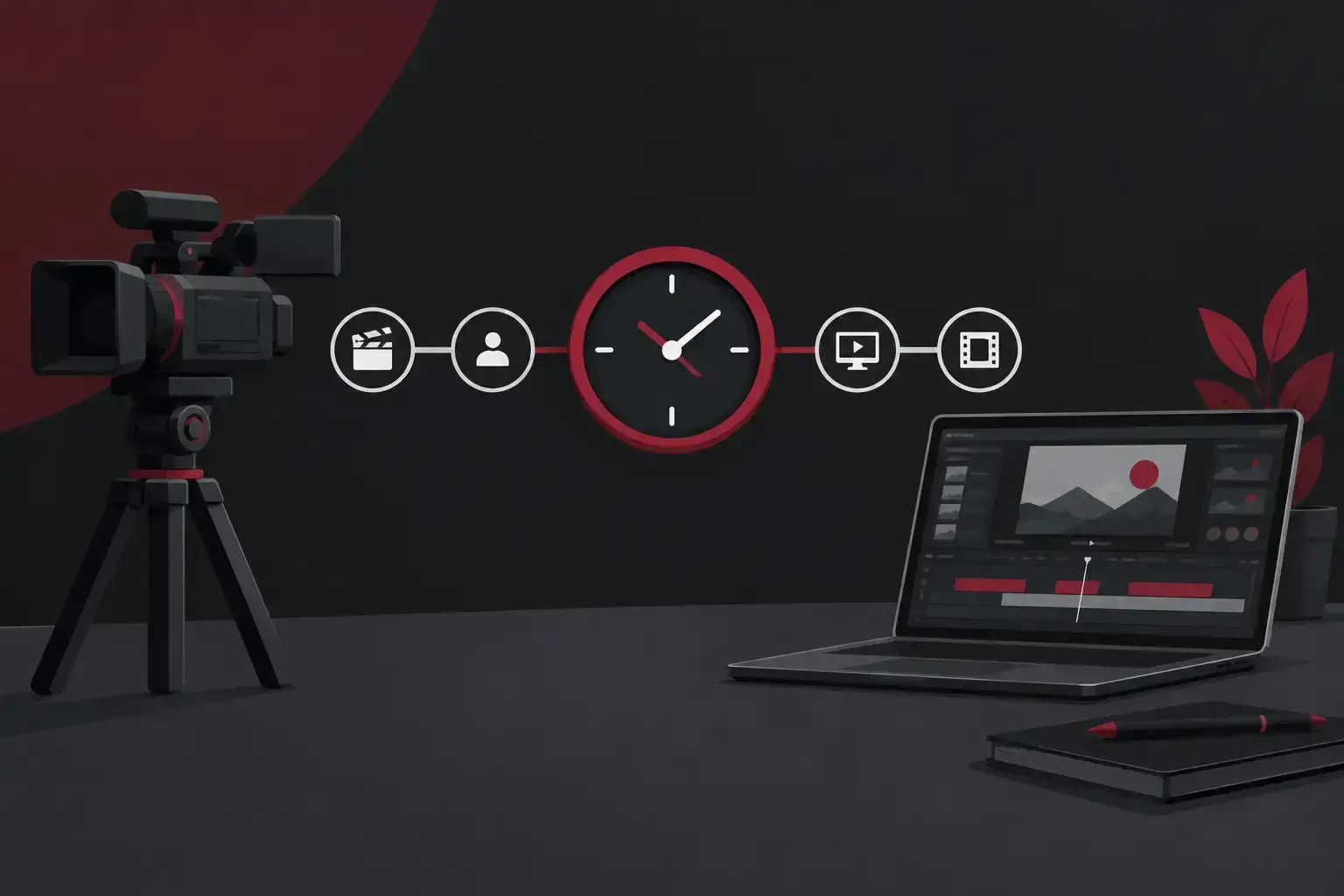
For a focused commercial, brand film, social campaign or corporate video, the work usually moves through three core stages: pre-production, production and post-production. The filming day is often the shortest part. Strategy and editing are where performance is won or lost.
Week 1-2: Strategy, concept and pre-production
Pre-production sets the pace for everything that follows. This is where a production partner turns a business brief into a clear plan for content that looks good - and sells even better.
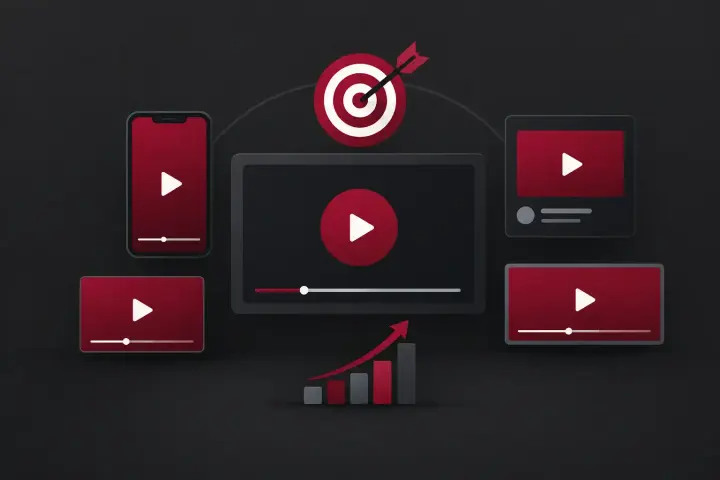
Expect the first one to two weeks to cover the campaign objective, target audience, key message, creative concept, script or interview questions, filming locations, contributors, crew, schedule and deliverables. It also means deciding where the content will run. A video built for LinkedIn will not necessarily work as a paid Meta advert, a website hero film or a broadcast commercial without thoughtful adaptations.
This stage can be quick when the objective is clear and one decision-maker can approve the direction. It takes longer when several departments need to agree on brand language, legal points, product claims or senior stakeholder sign-off. That is not a reason to rush it. A one-week delay before filming is far less expensive than reshooting a campaign because the message was wrong.
For an efficient process, bring existing brand guidelines, campaign dates, product details and examples of work you like to the first meeting. More importantly, be ready to say what success looks like. Is the goal more qualified leads, stronger recruitment, event registrations, online sales or awareness in a new market? A measurable objective gives the creative team something real to build towards.
Week 2-3: Filming and asset capture
Once the concept, script and logistics are locked, filming can often happen within days. A single-location interview or social content session may take half a day or one day. A commercial involving multiple locations, actors, product styling, travel, weather-sensitive scenes or a larger crew may need several shoot days spread across a week or more.
The variable is rarely camera setup alone. It is access. Can the location be used without disrupting operations? Are the right people available on the same day? Does a site need permission? Are there safety requirements? If you are filming in an active workplace, plan around the business rather than expecting the business to stop for the camera.
Smart production planning also creates more value from the day. Instead of capturing one hero video and calling it done, a well-scoped shoot can produce cut-down adverts, vertical social clips, testimonial extracts, website loops, stills and behind-the-scenes material. This does not mean filming everything imaginable. It means planning the shot list around the channels and campaign journey from the outset.
For businesses in Galway, Dublin, Cork or further afield, location logistics can add time, particularly where travel, multiple sites or specialist contributors are involved. But a strong schedule keeps this manageable. The best crews arrive with a plan, run the day decisively and protect enough flexibility for the unexpected.
Week 3-6: Editing, feedback and final delivery
Post-production is where raw footage becomes a marketing asset. The first edit typically takes one to two weeks after filming, depending on the amount of footage, narrative complexity, motion graphics, animation, colour grading, sound design and music licensing involved.
A simple talking-head video with branded titles can move quickly. A campaign built around multiple contributors, product sequences, bespoke graphics and several aspect ratios needs more editing time. Neither approach is automatically better. The question is whether the production level matches the commercial opportunity.
Most projects work best with one or two structured feedback rounds. This gives stakeholders space to assess the video against the agreed brief without turning the edit into a running list of conflicting preferences. Good feedback is specific: clarify the opening message, shorten a section, strengthen a call to action or replace a shot that does not support the story. Vague feedback such as “make it punchier” creates unnecessary back-and-forth unless everyone agrees on what “punchier” means.
After the master video is approved, the team exports the required versions. That may include 16:9 for websites and YouTube, 9:16 for Reels and TikTok, 1:1 or 4:5 for social feeds, plus captioned versions for sound-off viewing. Build this into the timeline. Reframing content properly is not always a one-click export, especially when graphics, captions and focal points need to be repositioned for mobile viewing.
What makes a video production take longer?
Longer timelines are not automatically a warning sign. They often reflect a more ambitious project or a greater need for care. The issue is not duration. It is avoidable delay.
Several factors have an outsized impact. Script approval can stall when too many people own the final word. New products can create delays because features, claims or packaging are still changing. Location permits, talent availability and seasonal weather may affect scheduling. Motion graphics, 3D elements and animation add valuable polish, but they also need time for design, review and refinement.
There is also a commercial trade-off. A rushed video may meet an internal deadline but underperform once it goes live. On the other hand, waiting months for a “perfect” campaign can mean missing a product launch, event or sales window. The best approach is to identify the non-negotiables early: the launch date, core audience, main message and channels. Then shape the creative around what can be delivered well in that timeframe.
How to keep your video project on schedule
You do not need to manage every production detail yourself. That is why you hire a production partner. But fast, confident decisions on your side make a major difference.
Appoint one lead contact who can gather internal feedback and give consolidated approvals. Agree the primary objective before discussing camera styles. Confirm where the video will appear before filming, because platform requirements affect how scenes are framed. Finally, allow a small buffer before launch. It protects the campaign from a late product change, a key stakeholder being away or an essential revision during final exports.
At Wild A Productions, the goal is not simply to deliver a polished file on a deadline. It is to create content with a clear role in your marketing - whether that means stopping the scroll, building credibility or turning attention into action.
The most reliable production timeline starts with a simple decision: give the video a business purpose before giving it a shoot date. Do that, and every week of planning, filming and editing works harder for the result you actually want.